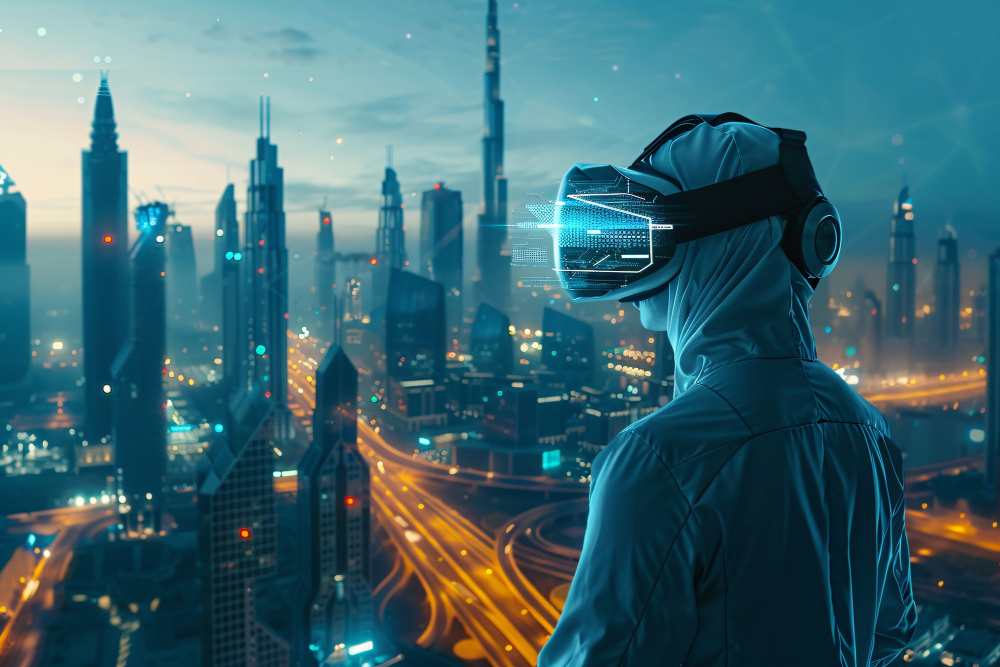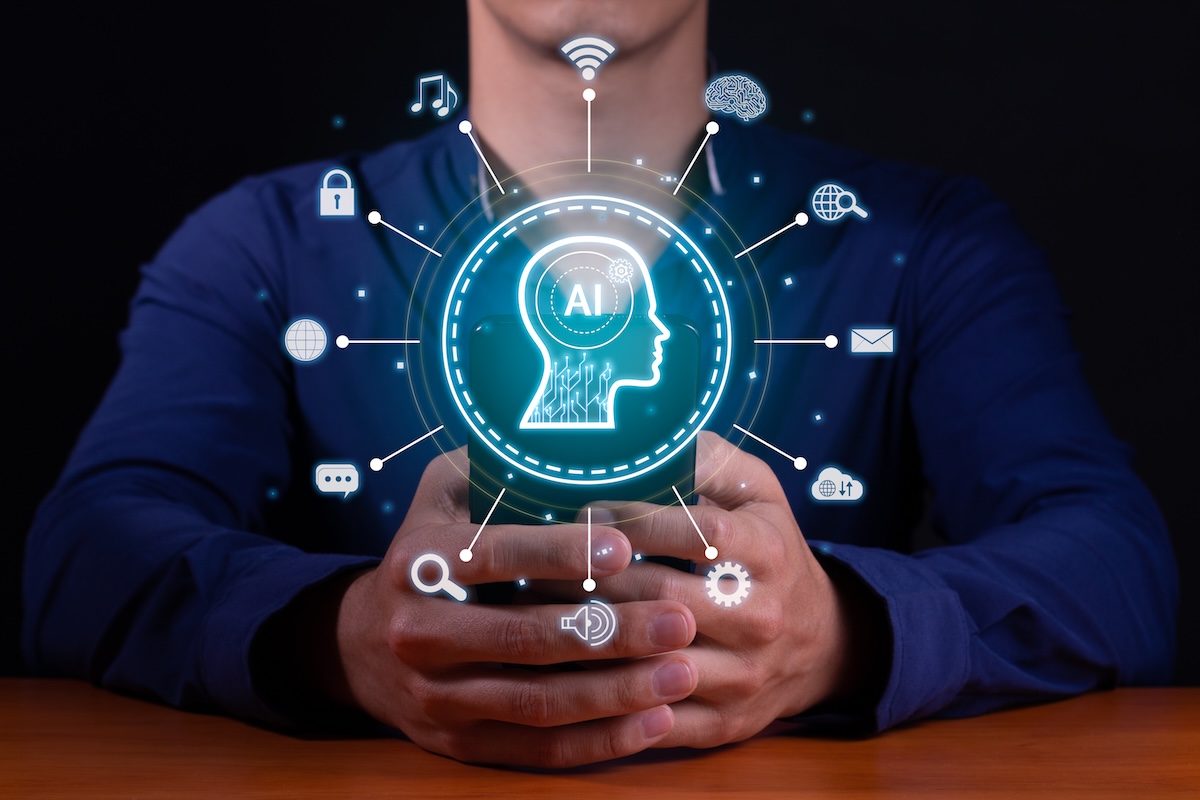
The automotive industry is at the forefront of technological disruption — and automation powered by Artificial Intelligence (AI) is driving its next great transformation. From intelligent robots on factory floors to predictive maintenance systems and data-driven design, AI is reshaping how cars are built, tested, and delivered. The traditional assembly line is evolving into a smart, self-optimizing ecosystem where machines, data, and humans work seamlessly together.
1. Smart Manufacturing and Robotic Precision
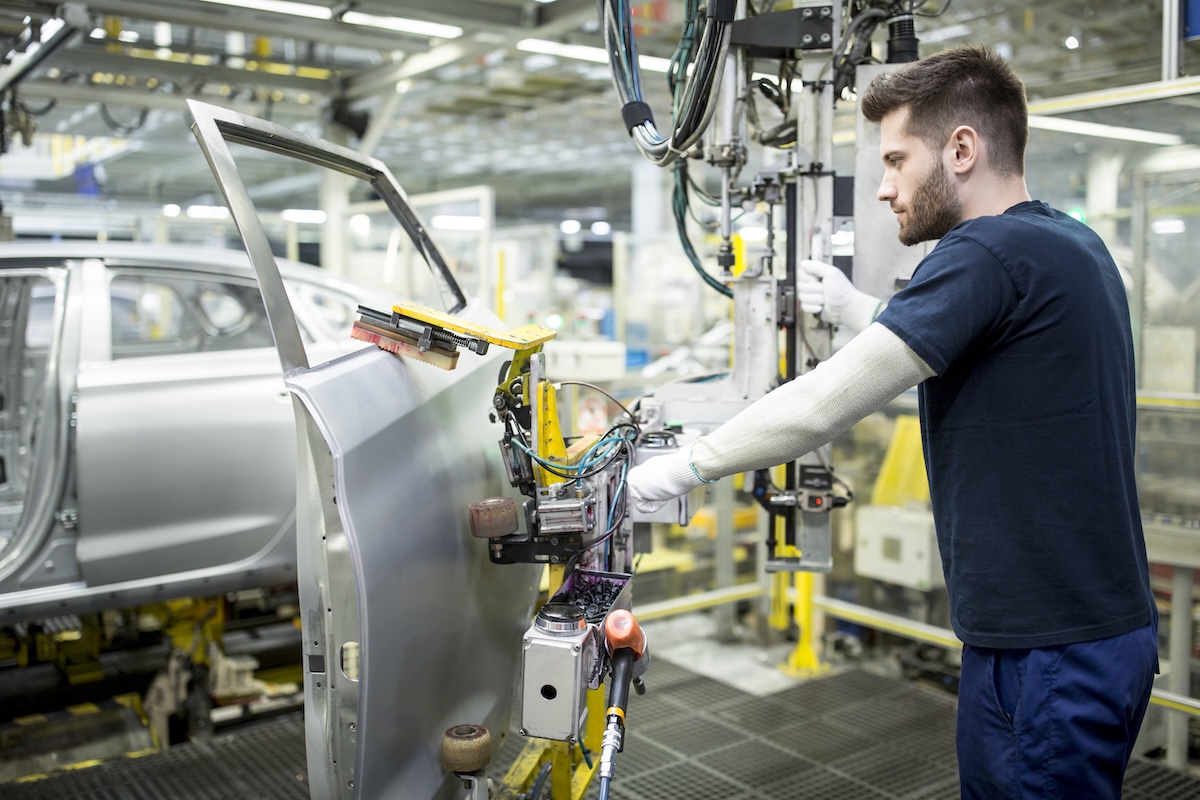
Automation has long been a part of car manufacturing, but today’s AI-enhanced robots go far beyond repetitive tasks.
Modern production lines use collaborative robots (“cobots”) that can learn from human workers, adapt to variations, and work safely alongside them.
AI enables these robots to self-adjust for precision tasks such as welding, painting, and component assembly, minimizing errors and downtime. This level of intelligence ensures higher consistency, lower waste, and faster production cycles — all crucial in a competitive market.
2. Predictive Maintenance and Real-Time Quality Control
AI-driven automation systems monitor equipment health using IoT sensors, analyzing vibration, temperature, and operational data to predict potential failures before they occur.
This predictive maintenance approach helps manufacturers reduce unplanned downtime, extend machine lifespan, and save millions in lost production time.
Meanwhile, computer vision and machine learning are revolutionizing quality control. Cameras and sensors detect microscopic defects in real time, ensuring every vehicle meets safety and quality standards without slowing production.
3. Digital Twins and Data-Driven Design
AI has made digital twin technology — virtual replicas of physical systems — a key tool for automotive design and engineering.
Manufacturers can simulate every aspect of production, from assembly workflows to supply chain logistics, identifying inefficiencies and optimizing performance before implementation.
This integration of AI, data, and simulation enables faster innovation cycles and more sustainable designs, as companies can test materials, aerodynamics, and energy efficiency without costly prototypes.
4. Autonomous Logistics and Supply Chain Efficiency
AI isn’t just transforming manufacturing; it’s also redefining automotive logistics.
Autonomous guided vehicles (AGVs) now transport parts between stations, while AI algorithms manage just-in-time supply chains by forecasting demand and rerouting deliveries during disruptions.
This smart coordination minimizes bottlenecks and ensures that production remains continuous, even amid global supply chain challenges.
5. Human–Machine Collaboration
Far from replacing people, AI is augmenting human capabilities in car manufacturing.
Workers are increasingly using AI-powered exoskeletons and augmented reality (AR) tools for ergonomic support and training.
AI systems assist engineers with complex problem-solving, allowing teams to focus on innovation while machines handle repetitive or hazardous tasks.
This symbiosis between human skill and machine intelligence represents the future of Industry 4.0 manufacturing — agile, intelligent, and human-centric.
6. Sustainability and Energy Optimization
AI automation also supports greener production. Machine learning algorithms optimize energy use, reduce material waste, and monitor carbon emissions throughout the manufacturing process.
Factories can now predict and balance their energy consumption dynamically, contributing to global sustainability goals while improving cost efficiency.
The Road Ahead: AI as the Engine of Automotive Evolution
The convergence of automation, robotics, and AI is accelerating the shift toward a self-learning manufacturing ecosystem.
Future car factories will be capable of autonomous decision-making — automatically adjusting production lines, predicting component shortages, and fine-tuning output to meet shifting market demands.
From concept to completion, AI is redefining how vehicles are designed, built, and delivered. It’s not just improving efficiency — it’s driving the future of mobility itself.